
Acrylic vs Polycarbonate: Choosing the Right Clear Sheet
Ghost Acrylic · 8/9/2026
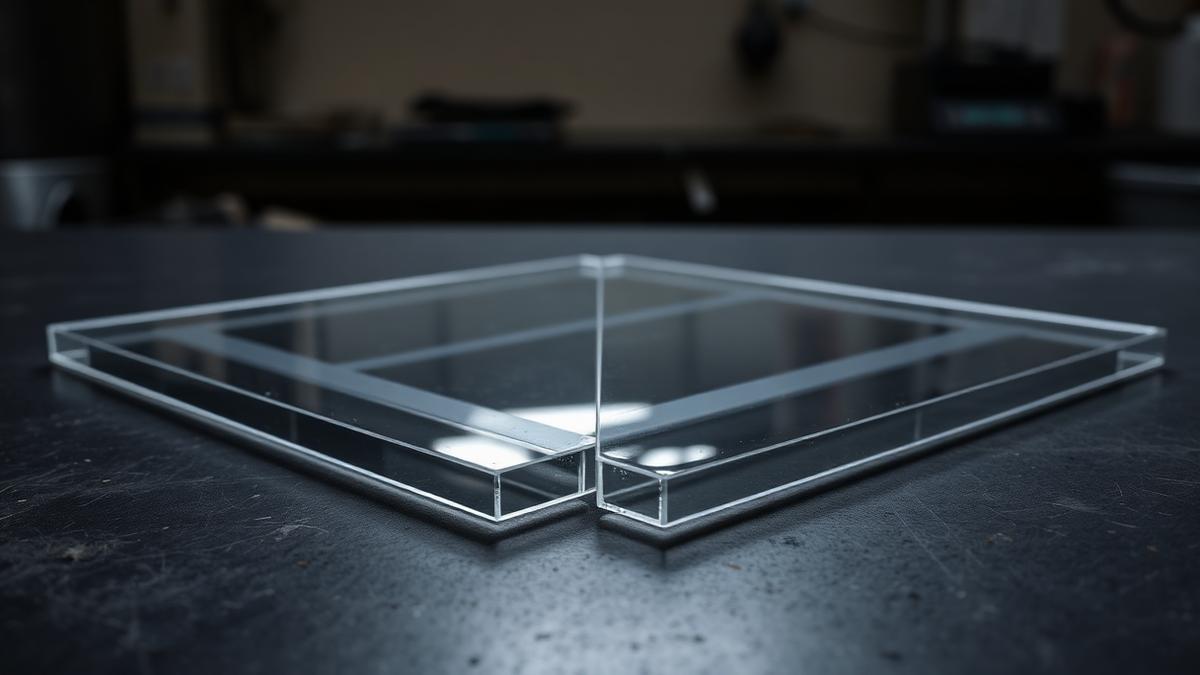
Acrylic and polycarbonate are the two clear sheets most projects come down to. They are not interchangeable.
Clarity Acrylic has excellent light transmission and stays clear over time with good UV stability. Polycarbonate is clear too, but is more prone to yellowing with long outdoor exposure unless it carries a UV-protective cap.
Impact resistance Polycarbonate is the tougher material by a wide margin. If the panel could be struck, vandalised or is protecting people or equipment, polycarbonate is the safer specification. Acrylic is rigid and will crack under sharp impact.
Rigidity and scratching Acrylic is harder and holds a polished surface better, so it scratches less in day-to-day handling. Polycarbonate is softer and marks more easily unless it is hard-coated.
Machining Acrylic cuts and polishes beautifully but chips if it is machined too aggressively. Polycarbonate is forgiving under drilling and cold-forming and can be bent without heating in thin gauges.
Cost Acrylic is normally the more economical of the two at the same thickness, which is why signage, displays and glazing default to it unless impact is a real risk.
Rule of thumb Specify acrylic for signage, displays, retail fixtures, light diffusion and anything where finish quality drives the job. Specify polycarbonate for machine guarding, security glazing, safety barriers and high-traffic protective panels.
If the application sits between the two, tell us the environment and the loading and we will recommend a material and thickness.