
Cast vs Extruded Acrylic: Which Sheet Should You Buy?
Ghost Acrylic · 7/26/2026
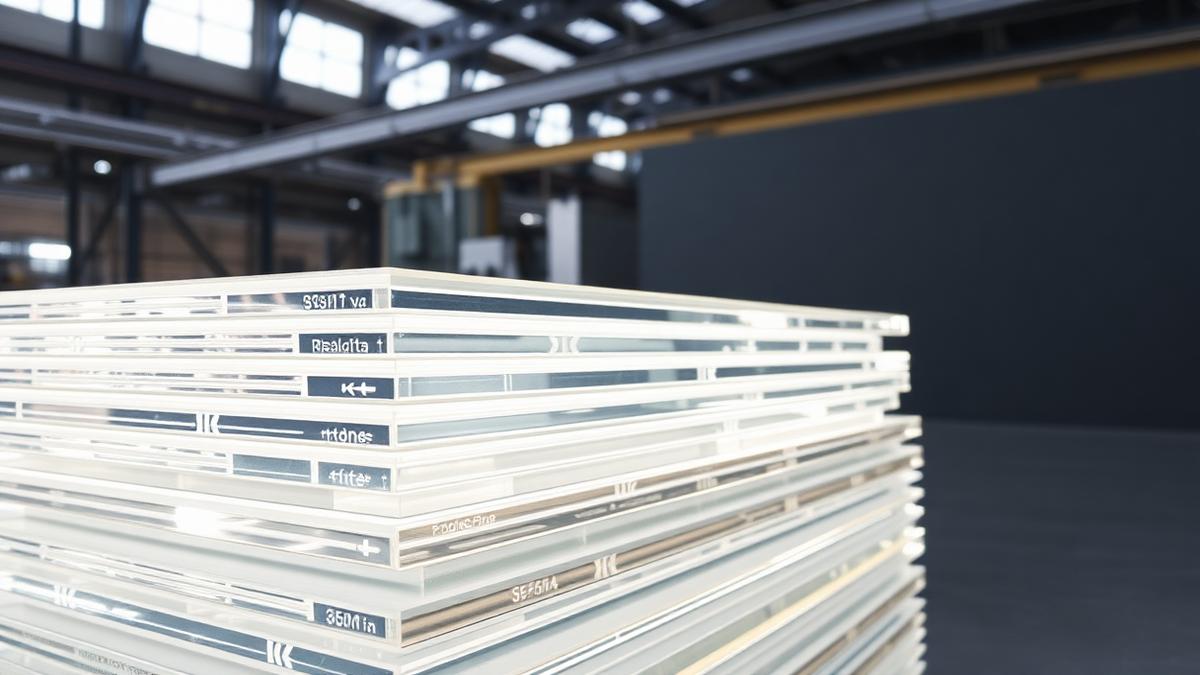
Cast and extruded acrylic are both PMMA, but they are made in completely different ways — and that shows up the moment you cut, rout or flame-polish a sheet.
How they are made Cast acrylic is poured between glass moulds and cured slowly. Extruded acrylic is pushed through a die in a continuous process, which makes it faster and cheaper to produce and gives it very consistent thickness.
Machining and fabrication Cast acrylic machines cleanly. It chips less on the router, cuts crisply on the saw, engraves with a bright frosted edge and flame-polishes to a near-optical finish. Extruded acrylic is softer and more prone to gumming and melting if your feeds and speeds are too slow, but it thermoforms and cements easily.
Thickness tolerance Extruded sheet holds tighter thickness tolerance, which matters for slot-fit assemblies, gasket channels and anything that has to drop into a fixed groove. Cast sheet varies more across the sheet.
Cost Extruded is generally the more economical option at the same thickness and size, which makes it the default choice for high-volume signage, glazing and print work. Cast is the choice when finish quality and machining behaviour matter more than unit cost.
Quick guide Choose cast for laser-engraved awards, CNC-routed parts, edge-lit displays and anything where the cut edge is visible. Choose extruded for large-format signage, protective glazing, POP displays and thermoformed shapes.
Not sure which fits your part? Send us the drawing and the application, and we will tell you which sheet we would run — including whether a partial or full pallet gets you the better price.